After the Age of Eight Plagues, the Sacellum of Rimhrheld found itself forced into splitting its territories into two. The southern territories remained as they had been, holding onto the structure of the old church while moving into a more political, less religious age. The north, meanwhile, gained its own Pope, and was allowed to be (officially) referred to as Meltiras (its traditional, "true" name) for the first time since it was claimed.
The Sacellum of Rimhrheld
The Sacellum is in control of the southern portion of the continent. They do not preach - they worship. Four times a day, citizens are required to face towards the altar at the city's center and bow. They hold this position for ten seconds, before returning to their daily tasks. Altars are usually accompanied by a belltower to signal these times of day - an hour after sunrise, during lunch, an hour before dinner, and at sunset.
It is considered more pious to travel to the altar to worship, to light incense or candles (depending on region - candles are more common closer to the coast), and/or to perform certain rituals. These are, again, prone to regional variation, but one constant is the consumption of a grain alcohol mixed with spices known as Flaxin. For this reason, larger cities will have multiple altars, and many merchants make their livelihoods selling incense, candles, or Flaxin.
The southern Pope is usually just referred the Father (maekrix in draconic) and is descended from the bloodline of primal dragonborn, who were first blessed with holy fire by Rimhr. Maekrix is actually just a title to refer to the "father of a city," which is about equivalent to a Catholic bishop. Other maekrix will always be referred to by name, so if someone just says "The Maekrix" you know they're talking about the Pope (that word being more of a layman's term).
Technically, all maekrix are equal. In their letters, they even call the Pope athear maesinti - "holy brother" - same as all the others. But the Pope holds the power that he does thanks to his noble bloodline and his position in the Sacellum's capital, Ner Kangix.
The onureth (singular onur) are the individual communities of the faithful. They're led by the edars. Parishes and priests, essentially. But where they differ is in the jobs they perform. The Sacellum doesn't have masses. Edars perform rituals - both the calendrical ones and those which are more spontaneous, like funerals and weddings.
Those important enough within the church are given a sjach, or "shadow." They act as assistants and understudies, ready to claim the position if it winds up vacant. You would think this makes assassinations common, but with spells like speak with dead available it ensures that only the best of that bunch can kill their way to salvation.
Saints are also a thing - people who earn the privileges of a religious leader through deeds rather than hoop-jumping. They have been scarce since the days of the Plague of No Tombs, so most of them are dead. The church occasionally resurrects the ones who were potent warriors or spellcasters, but most do more work in the annals of history than they do on the ground.
There's other ranks, too, but those can come later if necessary. This is a solid groundwork for right now.
The Church Over Meltiras
The distinction between the Church and the Sacellum is clear, right down to their names. The Sacellum is all about worship - that which is holy is already known and established. You needn't become educated on it, because it's common knowledge.
The Church is different. They believe that everything should be incorporated into the church. This includes many of the pagan rituals of the local people, which have contorted to fit the constraints of the Sacellum's overseers. Under better circumstances, the rituals probably would have been squashed underfoot. But Meltiras was being settled at the same time it was being fought for, and so there was little time for inward pacification of native cultures.
One very popular tradition surviving from pre-colonial times is icon painting. This is always done on wood fresh from the trees, using paint with a manufacturing method predating the Sacellum. These are used to honor the deeds of locals, and delivered to the edar at the neighborhood altar. It's a religious honorific and a way of distributing news to the populous. The people bring in the local events, and at church every Rimhrset the edars inform their onureth what has gone on in the days hence.
The north also lacks maekrix or saints. A council of the local edars will vote on issues that pertain to a whole city, instead of leaving it up to just one person. There is still a northern Pope, and the church's Zealots fill a similar role to saints.
The Pope resides in Baryinnah, where she can have the aid of prophecy whenever necessary. She is unrivaled in her power. Meltiras's first pope was selected in 1001 A.E.M. - her name is Liberty Vii'shalor, and her relationship with the Church (not to mention the Sacellum) is outside the scale of this post. All you need to know is that she is not directly responsible for the differences between the Church and the Sacellum, but she did shirk her duty in shrinking the gap between them.
Zealots are awarded their title when their onur votes upon the greatness of their deeds - which are usually less pious than a saint's. Their miracles are bloody. If they win the support of six onureth, they are brought to Baryinnah and anointed in holy oils by the Pope. They are then awarded four servants to enable even greater deeds of holy fury.
A Zealot's Grip is both their spouse and their battlefield companion. They are sent to the affairs beneath the Zealot themself, and accompany them into larger conflicts. On the battlefield they also have the support of their Skull, a Church-sponsored tactician and general.
They also have a Throat, who handles their bureaucratic affairs. Finally, a Zealot's Faith is an edar who enforces their will and holds services specific to the follows of a certain Zealot.
A newly-chosen Zealot is allowed to recommend specific people for any of these positions, with that party's consent. Failing that, the Pope will pick the brightest of their sjachs for the job.
Tuesday, January 8, 2019

Monday, January 7, 2019
The Age of Eight Plagues, Part Two
Part one here.
The Plague of Drowned Dead
The year is 831, and the Plague of Vermin has almost been defeated. When their waves come, they are pitiful compared to the former deluges of pestilence that came in earlier years. The Sacellum's paladins see less and less work digging rat-proof trenches, and things seem to return to normal.
And then, people began bursting into flame.
While certainly the quickest of the plagues to take a life, Drowned Dead was toward the lower end of the bell-curve in terms of lives taken. It was another airborne disease, meaning most everyone on Starfyk had it. But the exact mechanisms that caused the infected to spontaneously combust were never discovered - it was seemingly entirely random.
Even the dead would ignite on occasion, leading to the Sacellum declaring burials at sea to be mandatory. This upset a great deal of the populous, particularly the few bugbear citizens - for whom burial at sea was a religious requirement that had been outlawed since their assimilation. Social unrest was the name of Drowned Dead's game, and while their Plague was not the most damaging in the long term - that distinction would be reserved for the Plague of No Tombs - they did pave the way for much of the success of future Plagues.
Drowned Dead was, as had become routine at this point, hunted down and killed in 842 A.E.M. This also marked when the Sacellum came into possession of the city of Baryinnah, complete with its own oracle. Though it would fall and be reclaimed several times over the span of the next few Plagues, its capture was a symbol of the Sacellum's near-domination over all of Starfyk.
The Plague of Drowned Dead
The year is 831, and the Plague of Vermin has almost been defeated. When their waves come, they are pitiful compared to the former deluges of pestilence that came in earlier years. The Sacellum's paladins see less and less work digging rat-proof trenches, and things seem to return to normal.
And then, people began bursting into flame.
While certainly the quickest of the plagues to take a life, Drowned Dead was toward the lower end of the bell-curve in terms of lives taken. It was another airborne disease, meaning most everyone on Starfyk had it. But the exact mechanisms that caused the infected to spontaneously combust were never discovered - it was seemingly entirely random.
Even the dead would ignite on occasion, leading to the Sacellum declaring burials at sea to be mandatory. This upset a great deal of the populous, particularly the few bugbear citizens - for whom burial at sea was a religious requirement that had been outlawed since their assimilation. Social unrest was the name of Drowned Dead's game, and while their Plague was not the most damaging in the long term - that distinction would be reserved for the Plague of No Tombs - they did pave the way for much of the success of future Plagues.
Drowned Dead was, as had become routine at this point, hunted down and killed in 842 A.E.M. This also marked when the Sacellum came into possession of the city of Baryinnah, complete with its own oracle. Though it would fall and be reclaimed several times over the span of the next few Plagues, its capture was a symbol of the Sacellum's near-domination over all of Starfyk.
The Second Plague of Vermin
God dammit.
We already know the details of how exactly a Plague of Vermin operates. This was just another instance of it, lasting from 855 to 871 A.E.M. (the Sacellum had gotten good at fighting it in the years past). What's more interesting is how exactly Vermin, the very same who had conducted the first Plague with her name, lasted this long.
If you remember, the Plague of Vermin was a sickness of the blood. This means that any animal whose blood mingled with a Vermin-bearing creature would contract it - including when they ate a patient.
Surely, not all the squirrels in the forest were slain by fire and blade. Some were eaten by the coyotes, as any other. And those coyotes fell ill with Vermin, too.
Vermin invented not just a Plague, but a method of reaching immortality. Her sentience stretched thin between a myriad of beasts, like a spiderweb. She still lurks there, in the forest. It will never be rid of her. Her blood has soaked into the soil there, and on quiet nights when the wind rustles through the trees, their leaves whisper her name.
We already know the details of how exactly a Plague of Vermin operates. This was just another instance of it, lasting from 855 to 871 A.E.M. (the Sacellum had gotten good at fighting it in the years past). What's more interesting is how exactly Vermin, the very same who had conducted the first Plague with her name, lasted this long.
If you remember, the Plague of Vermin was a sickness of the blood. This means that any animal whose blood mingled with a Vermin-bearing creature would contract it - including when they ate a patient.
Surely, not all the squirrels in the forest were slain by fire and blade. Some were eaten by the coyotes, as any other. And those coyotes fell ill with Vermin, too.
Vermin invented not just a Plague, but a method of reaching immortality. Her sentience stretched thin between a myriad of beasts, like a spiderweb. She still lurks there, in the forest. It will never be rid of her. Her blood has soaked into the soil there, and on quiet nights when the wind rustles through the trees, their leaves whisper her name.
The Plague of No Tombs
With Vermin driven back for a second time and a twenty-one year period (the longest pause between any of the Plagues) of good health after it, the Sacellum began to think the feverish night was done. Baryinnah stood tall, a beacon of the Sacellum's victory over the Alquari. Hushed at first, the whispers that the Age of Plagues had ended grew confident. There was a whole generation of children entering university that had not seen a Plague in their lifetime. Hopes were high for the future.
And in 892, they were ripped asunder.
The Plague of No Tombs was a zombie apocalypse, plain and simple. The dead did not stay buried. The whole continent was plunged into a vile period lasting over a century. No Tombs themself was never discovered - they were just one more shambling husk among the millions. Bodily fluids spread the Plague, drowning whole towns in undead bile until they were naught but an army of things that would be better off in the sepulchers.
This Plague left a huge impact on the culture of Starfyk as a whole. In the north, the tradition of canonizing great war heroes as Zealots (largely in the place of traditional saints) began. The Sacellum pioneered the Turn Undead spell as a means of crowd control. And in 988, there was a proper secession.
In that year, the patriarch of the Vath family found a way to merge the soul of an ancient Giantine Emperor with his own. This was unprecedented, and challenged the divine monopoly the Sacellum had on the continent. Seeking to rekindle his lost people, the man (if he could be called that) now known as Llipyah Vath staged a revolution.
In the already weakened state of the Sacellum, they had few free hands to contest this revolt. And so the Tenth Empire was born. They were an uneasy ally during the later days of the Plague of No Tombs - giants proved incorruptible by the disease, seeing as they were made mainly of earth and spirit.
After countless losses, the Plague was finally brought to sustainable levels in 1001 A.E.M. Baryinnah had been cleared of undead, and it was the new center of the Sacellum's power in the north. With seven Plagues behind them, the Sacellum's territories in the south and the north had come to hate each other, and separating them had become the only sustainable choice for the future.
With Vermin driven back for a second time and a twenty-one year period (the longest pause between any of the Plagues) of good health after it, the Sacellum began to think the feverish night was done. Baryinnah stood tall, a beacon of the Sacellum's victory over the Alquari. Hushed at first, the whispers that the Age of Plagues had ended grew confident. There was a whole generation of children entering university that had not seen a Plague in their lifetime. Hopes were high for the future.
And in 892, they were ripped asunder.
The Plague of No Tombs was a zombie apocalypse, plain and simple. The dead did not stay buried. The whole continent was plunged into a vile period lasting over a century. No Tombs themself was never discovered - they were just one more shambling husk among the millions. Bodily fluids spread the Plague, drowning whole towns in undead bile until they were naught but an army of things that would be better off in the sepulchers.
This Plague left a huge impact on the culture of Starfyk as a whole. In the north, the tradition of canonizing great war heroes as Zealots (largely in the place of traditional saints) began. The Sacellum pioneered the Turn Undead spell as a means of crowd control. And in 988, there was a proper secession.
In that year, the patriarch of the Vath family found a way to merge the soul of an ancient Giantine Emperor with his own. This was unprecedented, and challenged the divine monopoly the Sacellum had on the continent. Seeking to rekindle his lost people, the man (if he could be called that) now known as Llipyah Vath staged a revolution.
In the already weakened state of the Sacellum, they had few free hands to contest this revolt. And so the Tenth Empire was born. They were an uneasy ally during the later days of the Plague of No Tombs - giants proved incorruptible by the disease, seeing as they were made mainly of earth and spirit.
After countless losses, the Plague was finally brought to sustainable levels in 1001 A.E.M. Baryinnah had been cleared of undead, and it was the new center of the Sacellum's power in the north. With seven Plagues behind them, the Sacellum's territories in the south and the north had come to hate each other, and separating them had become the only sustainable choice for the future.
The Plague of Black Blood
This was the last of the Plagues. It was the shortest, both in terms of turnover between the previous Plague and lifespan. It lasted from 1003 A.E.M. - a mere two years after the end of No Tombs - until 1008.
The Alquari were just as devastated by No Tombs as the rest of the continent, and a power vacuum formed among them that failed to stay full for long during the previous century. They were fighting on two fronts - the reckless Plague unleashed by a desperate High Druid and amongst themselves. Black Blood was more of a warrior than a proper druidic mage, and he was the one who ended No Tombs for them. He found himself thrust into the position of High Druid, and one who sorely needed to produce a successful Plague.
Pulling heavily from No Tombs, Black Blood also produced a blood-based disease. It thickened the blood, congealing it into a useless black sludge. It was similar to what the Sacellum had seen before, and so they were prepared to treat it once it came along. It was even somewhat of a relief compared to what they had seen in the past two centuries. Just more shivering civilians in dusty, hastily-built hospitals.
Black Blood's throat was ripped out by one of Aurdao Vihn's wardogs. With him died the Age of Plagues. These were the blackest days of the continent, bringing a surging tide of ruination upon all who walked it. The Alquari were a scattered mess, reeling from blow after blow, the most of them being self-inflicted. The Sacellum was chained in debt to its foreign sponsors, hastily carving up what little of the frontier remained to try to pay back a backbreaking price. Baryinnah still flew their banners, yes. But to the west they had a new enemy in the Tenth Empire, and their northern colonies were barely recognizable as worshipping Rimhr.
The blackest days were done, yes. But the future was not looking white, only a dour shade of gray.
This was the last of the Plagues. It was the shortest, both in terms of turnover between the previous Plague and lifespan. It lasted from 1003 A.E.M. - a mere two years after the end of No Tombs - until 1008.
The Alquari were just as devastated by No Tombs as the rest of the continent, and a power vacuum formed among them that failed to stay full for long during the previous century. They were fighting on two fronts - the reckless Plague unleashed by a desperate High Druid and amongst themselves. Black Blood was more of a warrior than a proper druidic mage, and he was the one who ended No Tombs for them. He found himself thrust into the position of High Druid, and one who sorely needed to produce a successful Plague.
Pulling heavily from No Tombs, Black Blood also produced a blood-based disease. It thickened the blood, congealing it into a useless black sludge. It was similar to what the Sacellum had seen before, and so they were prepared to treat it once it came along. It was even somewhat of a relief compared to what they had seen in the past two centuries. Just more shivering civilians in dusty, hastily-built hospitals.
Black Blood's throat was ripped out by one of Aurdao Vihn's wardogs. With him died the Age of Plagues. These were the blackest days of the continent, bringing a surging tide of ruination upon all who walked it. The Alquari were a scattered mess, reeling from blow after blow, the most of them being self-inflicted. The Sacellum was chained in debt to its foreign sponsors, hastily carving up what little of the frontier remained to try to pay back a backbreaking price. Baryinnah still flew their banners, yes. But to the west they had a new enemy in the Tenth Empire, and their northern colonies were barely recognizable as worshipping Rimhr.
The blackest days were done, yes. But the future was not looking white, only a dour shade of gray.
Tuesday, January 1, 2019
New Year's Random Encounters
Still working on the second part of the Age of Eight Plagues. But I was struck with inspiration for some random encounters while watching The Twilight Zone, and I want to take it as far as I can.
Goals for this: create a world that feels interconnected, experiment with random encounters that revolve more around roleplay/exploration than just combat
Goals for this: create a world that feels interconnected, experiment with random encounters that revolve more around roleplay/exploration than just combat
- While walking along a trail, you come over a ridge and notice a wispy smoke coming from a bit further along the trail. Keep walking and you start to smell burnt flesh and hair. Eventually, the party comes along a broken bridge, 1d8 mangled corpses, and 1d4 mangled (but alive) soldiers. If asked, they will explain that they were going to hang a local criminal when they heard her watch ticking. Upon the captain pulling it out and putting it in his pocket, the damn thing exploded and took out half the bridge and most of the company. The criminal is nowhere to be found. 50% chance one of the remaining soldiers knows her name. At the very least, the party needs to find another way across the river. But there's also sidequest potential here.
- Immediately after coming into a clearing, an arrow/bolt/bullet whizzes past the party leader's head. The party then takes notice of the 2d6 bandits taking cover behind rocks and fallen trees in the clearing, and has ten seconds to declare they hop into cover before they get shot at another 3d4 times (one for each bandit on the other side of the clearing). They've walked right into a shootout between two gangs. The enemy bandit leader has a gun, if you're running a time period when they're rare-but-existent. Give them one bandit taking cover behind the same rock as them to talk to, but otherwise just see what they do.
- An abandoned farmstead. There are unharvested pumpkins in the field, watched over by three stoic scarecrows. The house stands with its door open, creaking in the wind. On the porch is the corpse of a boy, no older than ten. Inside there's a kitchen, a big bedroom, and two smaller bedrooms. The big bedroom has the corpses of the parents, and in one of the bedrooms is the corpse of another farmer and a scarred, passed out girl of no more than sixteen. Her name is Magpie, and she fought off the rival farmer - but not before he slaughtered her family. If you help her, give the parents proper burials, or take the rival farmer's body off of the property and burn it, you can sleep in the house and even take some of the food. If you hurt Magpie or take any of the food without helping her, the scarecrows will come alive and attack you (possessed by the spirits of her family, of course).
- A druid and 2d3 coyotes that have ransacked a camp of 1d6 sleeping soldiers. The coyotes are eating their entrails while the druid melts all of their possessions, wood cracking in the flame and coinage melting into slag. The druid knows the party is there, and will let them walk away. But if they come too close, he will order the wolves to attack. He wants nothing to do with you, steeped as you are in filthy civilization. If you do fight him, the fire will burn all of the treasure here into worthlessness within three combat rounds. (I'd probably say it's worth 3d10x10 GP in 5e, scale up/down as needed).
- While crossing a bridge, you see a girl missing an arm floating down the river, left side of her face burned and stump dyeing the water around her crimson. She's unconscious, but alive. This in the criminal from entry one, named Kudzu. She's an anarchist, potential companion, and party-level rogue with an affinity for explosives. She'll propose that she go with the party if nobody else does, without mentioning that the law is after her. 25% chance of her having connections with local anarchists in any town you visit from now on. Within the largest nearby city, authorities will pay 250 GP for her alive, and 100 GP for her dead (adjust as necessary).
- Poorly built wooden tower belonging to a local gang that's busy with a shootout right now. There's only 1d6 bandits guarding it right now (50% chance each is asleep) but the real danger is the traps present. A tripwire in the front door activates three crossbows, a bucket with a hornet's nest in it set on top of a door left ajar, ceramic pots with slimes in them (painted with red stripes). Not a lot of gold or practical items to be looted, but the bandit leader's room has a lot of expensive antiques in it (200 GP total to be looted if they all make it to the city).
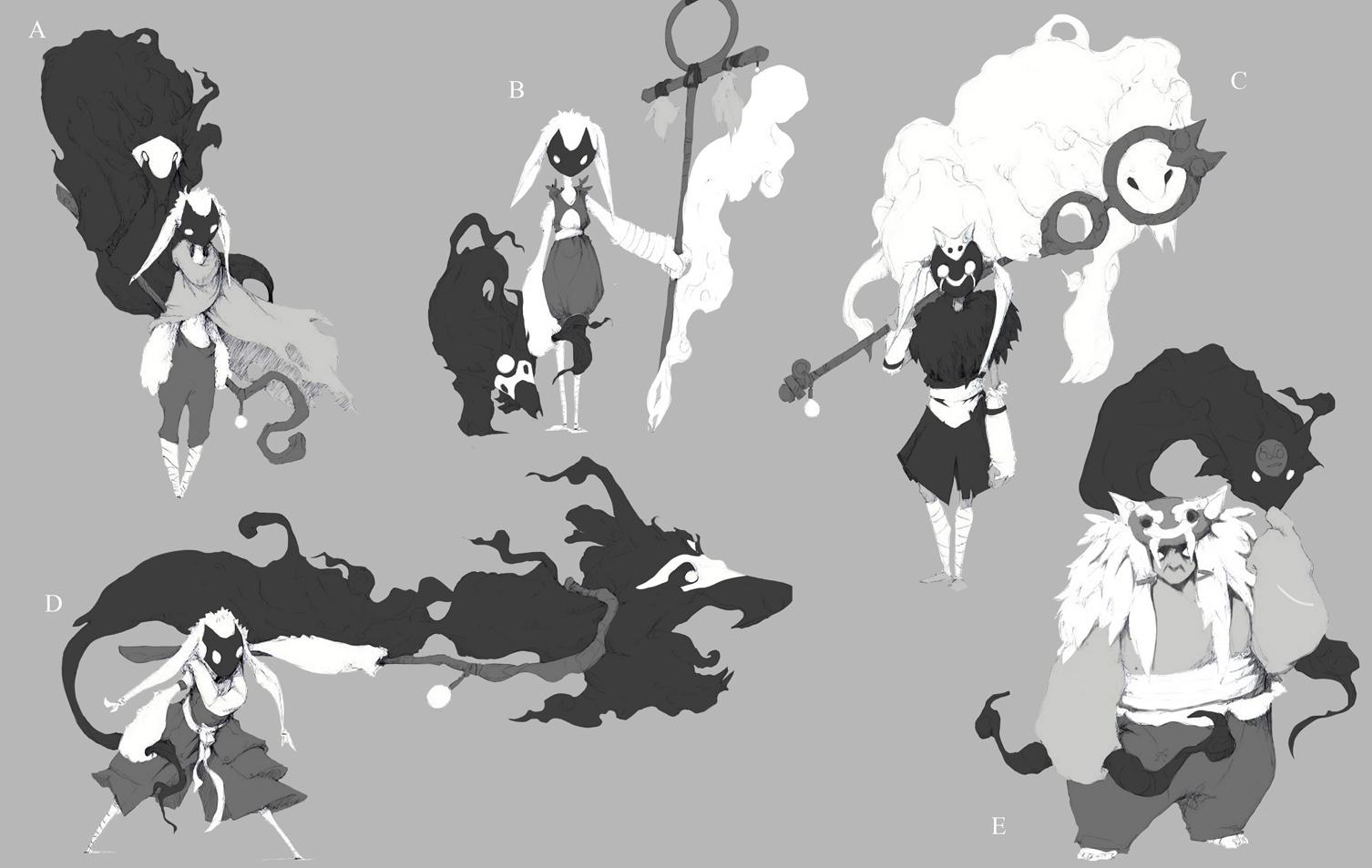 |
| Druids and their wolves. Image source: Riot Games |
Sunday, December 23, 2018
The Age of Eight Plagues, Part One
I'm trying to flesh out the history of Starfyk, one of my continents. My next campaign takes place on it, and so it seems prudent to know what would have happened in the last 500 years of its history (I already have its immediately-after-God-and-Titan-War stuff down). A big part of the continent is the huge area controlled by mainly anti-civilization druids (known as Alquari) to its north, and they're going to be prominent in the upcoming campaign, too. So I figured I'd start this exploration with them.
I'd been writing this for like two weeks when I decided to just break it into parts. Eight is a lot. This is the first half of them. The next will skip the introductions and just go into the last four.
I'd been writing this for like two weeks when I decided to just break it into parts. Eight is a lot. This is the first half of them. The next will skip the introductions and just go into the last four.
--
In 717 A.E.M., the Sacellum of Rimhr set its sights on the northern portion of Starfyk. They had unchallenged control of the southern half of the continent, with most folks being happy to join the people who had toppled the most powerful of the Giant Empires. Though the two other empires in the north had long since fallen, there were still numerous setbacks in trying to obtain those lands. The biggest of these were the Alquari.
They have no name for themselves. The name we use - that the locals first spoke when communicating with the Sacellum - means "dog people" in Giant. They are the escaped slaves of a former empire, who allied themselves with the wyverns so that they might topple all those who would enslave them. For some, this grew into a hatred for all civilization.
The smallest town is an abomination under their eyes. The forest is the true home of men. To break its bones and refurbish them into obscene symmetry is the highest crime. When all races live like beasts, reveling in the base, carnal pleasures - that is when they will be truly happy.
Not all the Alquari think like this. Some are content to live peacefully in the northern woods, coexisting with the outside world. But the Sacellum see them all as the same, and so they are all put to the sword. They torched their woods and broke their bodies.
So, in response, the Alquari sought the High Druid. They begged her to bend the will of the forest and called for retaliation against the invaders.
The High Druid broke their necks for daring to speak in front of her. And then, she set about to concocting a plague.
For the purposes of this post, all plagues come from the High Druids of the Alquari. They manufacture their plagues, using their own bodies as breeding grounds for all manner of vile disease. Travel to distant lands is no trouble for them (for it is said that every forest leads to another), and so they may capture distant infections within themselves and bring them back to lands where they are foreign and vicious.
Most of the High Druids do not have names. It is against their way - names are a product of civilization, and they have long-since abandoned all that is birthed from that putrid womb. So, in the Sacellum's official historical records, the name of a High Druid and the name of their Plague is the same.
They have no name for themselves. The name we use - that the locals first spoke when communicating with the Sacellum - means "dog people" in Giant. They are the escaped slaves of a former empire, who allied themselves with the wyverns so that they might topple all those who would enslave them. For some, this grew into a hatred for all civilization.
The smallest town is an abomination under their eyes. The forest is the true home of men. To break its bones and refurbish them into obscene symmetry is the highest crime. When all races live like beasts, reveling in the base, carnal pleasures - that is when they will be truly happy.
Not all the Alquari think like this. Some are content to live peacefully in the northern woods, coexisting with the outside world. But the Sacellum see them all as the same, and so they are all put to the sword. They torched their woods and broke their bodies.
So, in response, the Alquari sought the High Druid. They begged her to bend the will of the forest and called for retaliation against the invaders.
The High Druid broke their necks for daring to speak in front of her. And then, she set about to concocting a plague.
For the purposes of this post, all plagues come from the High Druids of the Alquari. They manufacture their plagues, using their own bodies as breeding grounds for all manner of vile disease. Travel to distant lands is no trouble for them (for it is said that every forest leads to another), and so they may capture distant infections within themselves and bring them back to lands where they are foreign and vicious.
Most of the High Druids do not have names. It is against their way - names are a product of civilization, and they have long-since abandoned all that is birthed from that putrid womb. So, in the Sacellum's official historical records, the name of a High Druid and the name of their Plague is the same.
The Plague of Flayed Skin
When the first of the plagues came, it was like nothing the Sacellum had ever seen. Most people were happy to join them, and those that weren't could be easily beaten into submission or destroyed, if necessary. But a disease is an enemy that cannot be fought with spears and torches.
It ravaged settlers and their livestock alike. Clerics from the capital sent to treat it found themselves quickly consumed. Refugees brought the plague to the southern cities, creating an air of intolerance for outsiders that would last a millennium. This was intentional on the part of the archdruid who went on to be called Flayed Skin - her purpose when crafting it was to divide the conquerors. To create a whole new social class: lepers.
Speaking of, this was when Rimhrheld's odd prejudice against armadillos started. The little critters carry leprosy very well, but can live just fine without it. They brought in a second wave of the disease just when the Sacellum was getting good at eradicating it, extending the duration of the plague until 741 A.E.M. This was especially unfortunate for the Armadillo Knights of northwestern Starfyk, who lost much prestige and a beloved mascot to the Plague.
It ravaged settlers and their livestock alike. Clerics from the capital sent to treat it found themselves quickly consumed. Refugees brought the plague to the southern cities, creating an air of intolerance for outsiders that would last a millennium. This was intentional on the part of the archdruid who went on to be called Flayed Skin - her purpose when crafting it was to divide the conquerors. To create a whole new social class: lepers.
Speaking of, this was when Rimhrheld's odd prejudice against armadillos started. The little critters carry leprosy very well, but can live just fine without it. They brought in a second wave of the disease just when the Sacellum was getting good at eradicating it, extending the duration of the plague until 741 A.E.M. This was especially unfortunate for the Armadillo Knights of northwestern Starfyk, who lost much prestige and a beloved mascot to the Plague.
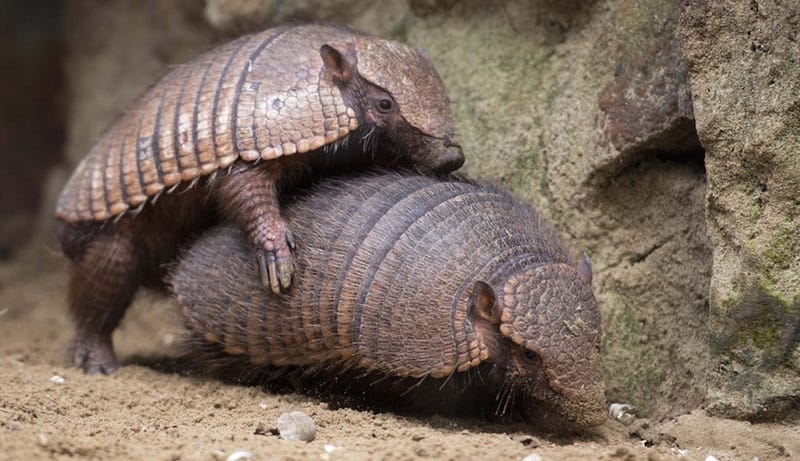 |
| The Pangolin Knights rose after the power vacuum formed, but their mascots just weren't as cute as the old guard. |
The Plague of Fallow Fields
Flayed Skin was killed in 738 A.E.M., and her plague was arduously destroyed over the span of the next few years. While the forces of civilization struggled with that endeavor, the druids were busy crowning a new archdruid. The Alquari that was eventually selected came to be known as Fallow Fields, and his patience was only outmatched by his malice.
Why kill the Sacellum, when you can just kill their food?
More of a blight than a plague, Fallow Fields did exactly what the name sounded like. It was never spread as wide as Flayed Skin, but it did its job in creating a dependency on food imports in the north. Again, creating a schism between north and south that would drive a wedge into the continent's two halves.
Twelve years and millions of gold later, and the Sacellum's appointed alchemists concocted a pesticide that would kill the bacteria behind the blight. Fallow Fields himself was killed early into the Plague's lifespan, in 745 A.E.M., but the longevity of it even after its death points to his ultimate success.
Flayed Skin was killed in 738 A.E.M., and her plague was arduously destroyed over the span of the next few years. While the forces of civilization struggled with that endeavor, the druids were busy crowning a new archdruid. The Alquari that was eventually selected came to be known as Fallow Fields, and his patience was only outmatched by his malice.
Why kill the Sacellum, when you can just kill their food?
More of a blight than a plague, Fallow Fields did exactly what the name sounded like. It was never spread as wide as Flayed Skin, but it did its job in creating a dependency on food imports in the north. Again, creating a schism between north and south that would drive a wedge into the continent's two halves.
Twelve years and millions of gold later, and the Sacellum's appointed alchemists concocted a pesticide that would kill the bacteria behind the blight. Fallow Fields himself was killed early into the Plague's lifespan, in 745 A.E.M., but the longevity of it even after its death points to his ultimate success.
The Plague of Shingle-Eyes
There was an almost ten year gap between this Plague and the last, due to infighting among the militant factions of the Alquari as they searched for a new archdruid. Medical staff in the Sacellum's colonies had been increased after the last two plagues, and they fervently watched all who got sick, waiting for the next Plague to rear its head. But both factions didn't realize that a new plague had already begun. When Shingle-Eyes announced to his fellows that a tenth of the settler population had already contracted his Plague, they bent the knee to their newfound archdruid.
Shingle-Eyes is a slow-acting plague. It is said that it first appeared in its earliest stages before Fallow Fields had even been defeated, but the effects are slow-acting that it took until 762 for it to even claim a life.
Shingle-Eyes is an airborne disease that only worsens with the loss of sleep. The result is the growth of more eyes. Many, many eyes, coating the body like shingles (hence the name). The more eyes you have, the harder it is to close them all, the less sleep you get, the more eyes you grow. Eventually, the victims are bedridden, but unable to sleep, and eventually die when enough eyes grow in their throat to block off the windpipe.
There was an almost ten year gap between this Plague and the last, due to infighting among the militant factions of the Alquari as they searched for a new archdruid. Medical staff in the Sacellum's colonies had been increased after the last two plagues, and they fervently watched all who got sick, waiting for the next Plague to rear its head. But both factions didn't realize that a new plague had already begun. When Shingle-Eyes announced to his fellows that a tenth of the settler population had already contracted his Plague, they bent the knee to their newfound archdruid.
Shingle-Eyes is a slow-acting plague. It is said that it first appeared in its earliest stages before Fallow Fields had even been defeated, but the effects are slow-acting that it took until 762 for it to even claim a life.
Shingle-Eyes is an airborne disease that only worsens with the loss of sleep. The result is the growth of more eyes. Many, many eyes, coating the body like shingles (hence the name). The more eyes you have, the harder it is to close them all, the less sleep you get, the more eyes you grow. Eventually, the victims are bedridden, but unable to sleep, and eventually die when enough eyes grow in their throat to block off the windpipe.
 |
| As you can imagine, it isn't pretty. Image Source: Bloodborne |
Eventually, with help from humiliating curfew laws strictly established in the northern settlements, Shingle-Eyes was defeated in 770. His death stopped the production of more of his Plague - it had spored from him, like a smokestack polluting the atmosphere. The curfew laws continued for several decades afterward, leading to much tension between settlers and law enforcement.
The Plague of Vermin
The Plague of Vermin
Though this plague is by far the one with the least casualties (official records state only thirteen died directly from it), it was the most damaging. It was a war not against the people of the Sacellum, but its infrastructure.
Vermin was the next archdruid after Shingle-Eyes, and hers was a blood-born disease. It was essentially a mass dominate spell spread through Vermin's own blood. Rats would come from miles around to drink of her, then birth whole generations of pups who would never have minds of their own. Vermin's sentience superseded theirs.
And in the summer of 774, every single pest in the forest came out to wreak havoc on the cities.
Wooden support beams surrounded by three layers of squirrels, chewing at them until their gums bled, knocking it down in the span of an hour. Moles tunneled under the Sacellum's shrines to collapse them during the next festival held in it. Crows shitting all over statues of Aurdao Vihn, the war hero who had killed the previous three archdruids.
It was also an especially difficult plague to quash. Vermin lived on through her progeny, her feral sentience having no problem existing in the tiny minds of her namesake.
Whole cities were declared fallen to Vermin and burned. The Sacellum would pay a silver piece per dead rat brought in to them, almost driving them to bankruptcy in a mere month. Their victory over it was the most pyrrhic the Sacellum had ever known - and it was impossible to tell if more pestilence would come spilling out of the forest. But finally, in 833, they stopped coming.
However, by that point, another Plague had already started.
Vermin was the next archdruid after Shingle-Eyes, and hers was a blood-born disease. It was essentially a mass dominate spell spread through Vermin's own blood. Rats would come from miles around to drink of her, then birth whole generations of pups who would never have minds of their own. Vermin's sentience superseded theirs.
And in the summer of 774, every single pest in the forest came out to wreak havoc on the cities.
Wooden support beams surrounded by three layers of squirrels, chewing at them until their gums bled, knocking it down in the span of an hour. Moles tunneled under the Sacellum's shrines to collapse them during the next festival held in it. Crows shitting all over statues of Aurdao Vihn, the war hero who had killed the previous three archdruids.
It was also an especially difficult plague to quash. Vermin lived on through her progeny, her feral sentience having no problem existing in the tiny minds of her namesake.
Whole cities were declared fallen to Vermin and burned. The Sacellum would pay a silver piece per dead rat brought in to them, almost driving them to bankruptcy in a mere month. Their victory over it was the most pyrrhic the Sacellum had ever known - and it was impossible to tell if more pestilence would come spilling out of the forest. But finally, in 833, they stopped coming.
However, by that point, another Plague had already started.
Tuesday, December 11, 2018
Megaman and Level Design
I think there's a point in everyone's life when we look back at the early Megaman games and realize how genius they are, and for me that day is today.
I heard an orchestral remix of a Megaman song and tracked it down, mostly just to figure out where I had heard it before. Then I noticed that there was gameplay in the background, and decided to watch that. And man... a lot of the things in these levels are really great design examples.
Here's why:
So, the beginning of this level is sort of mazelike, but the cool thing is that you can see what lies on the other paths. If I remember right, those brick doors can be blown up with the bombs you get from one of the other bosses. It's blatantly showing the players "hey, if you loop around to the beginning and take a different path, you can get more stuff!" with the optional flavoring of mandating they have specific items to access said stuff. This asks the players what they care about more: getting more loot, or the progress they've already made?
Later on, we see more alternate paths where there's less resistance from enemies, but also more rewards near them (and the drops you get from killing them, of course). That's asking something similar to the last one - teasing players with additional loot, so long as they think they can take a fight.
Ways to implement this would be a maze made out of reinforced glass (can be seen, but not smashed, though) or letting players see the end point of an alternate path from an elevated outcropping.
The first thing of notice in this is that there's one screen Megaman just kind of... walks through? With no resistance at all? Sometimes you just need to build atmosphere, or give a sense of descending. Flavor is a big part of the game.
The next really cool thing is that this level actually attacks the light source that the players rely on. That's an often-underutilized DM tactic. It might require some workaround to darkvision depending on edition - but that's usually as simple as specifying it as ~*~ magical darkness ~*~
During the running-from-lasers section (those one-shot you, by the way - which is something you'd want to telegraph!), there are items that exist solely to bait the player. Do you wanna risk trying to get them? Do ya feel lucky? Well, do ya, punk? It's also extra fitting for the level based around quickness.
Lastly, the mechanic of enemies respawning when you return to their location is brutal, and likely more of a technology limitation than anything, but it's really interesting nonetheless. It rewards aggression in a way antithetical to how Flashman's level rewarded backtracking (which is, again, fitting, as Flashman is Quickman's weakness) - push on, or else "reinforcements" arrive. This is another example of how quickness is used thematically.
Further experimenting with that "reinforcements" mechanic, this level actually uses it for the opposite purpose. The enemies are slow, but numerous and can easily overwhelm the player. You gotta finish 'em off before moving on, or else if you need to create space when the next enemy shows up you'll have double the number of enemies on your tail.
In D&D, this is as simple as the (poorly-hid) goblins waiting for the party to leave the room before they try to sneak up on and backstab them. Root them out of their tunnels and deal with them, or else they'll be a real pain in the ass when they corner you with the manticore in the next room.
Also, those bird enemies are great. They creating a sense of tension - shoot the egg or else there's gonna be a ton of tiny, difficult enemies. This begs the question: do I shoot the bird or the egg first? And of course, if you get too focused on that the monkeys will clobber you.
Finally, with some of the later rabbit enemies we see a great example of enemies using the environment to their advantage. You can't shoot the rabbit at the bottom of the stairs from this angle (replicate in D&D with usage of cover), but it can hit you just fine. You have to go pure-defensive while you approach it, and then beat the hell out of it when you do finally get there.
Another cool exploitation of system errors - black in these old NES games was transparent a lot of the time, so they actually use that to make it so attentive players can just barely see those drill enemies while they're in the ground. Sometimes the simplest way to challenge players is to just have them look closely at something.
Thematically, this level is also great. It has a factory vibe, and the platforms that alternate between speeding you up and slowing you down help that by lending a sense of "hurry up and wait" to the level (airport level where you ride on the baggage claim treadmills, anyone?). And those little flat enemies move quicker when Megaman is near them because they're magnetic! So cool.
Finally, let's look at a boss fight. The whole stage you fight Metalman on is an acceleration platform, which significantly increases the fight's difficulty. Thankfully, players have been dealing with these platforms all level and know how to work around them! In this, it's as simple as jumping, but in D&D there could be so many more solutions!
Jam a sword in the slit the tread rotates through! Shoot the generator to power it off! Knock Metalman off his footing so the tread actually brings him towards you! I don't even have to think of all the possible solutions, because it's designed to inspire creativity.
And that's fantastic level design, friends.
Session -1
So, the concept of a "Session 0" is well-known. Establishing what kind of setting your players are gonna be working through, helping with character creation, stuff like that. It's a step of the process and of establishing communication between the DM and the players. That's an important thing to do, for multiple reasons.
But last night I did something similar, which I'm deeming a "Session -1." I'm gonna do a proper Session 0 later where I actually talk about the setting they'll be in and help them make characters. So what, then, is a Session -1?
Basically, it's for establishing player and DM expectations. In mine I focused very little on the setting itself, and more on finding out what kind of setting my players wanted to exist in (Loom is large and diverse enough to where I felt like I could accommodate any sort of time period). I mainly did this because I'm playing with (mostly) new people I wanted to make sure they knew what they were getting into. And I think making sure everyone is on the same page about things like how lethal a game they're playing and what sort of adventure they're on is important.
So, I'm gonna post the general questions I asked my players here. If any other DMs see it, I figure it may be useful for them. And even if they don't, having it here will help me refine it later on, probably.
GAMEPLAY EXPECTATIONS
But last night I did something similar, which I'm deeming a "Session -1." I'm gonna do a proper Session 0 later where I actually talk about the setting they'll be in and help them make characters. So what, then, is a Session -1?
Basically, it's for establishing player and DM expectations. In mine I focused very little on the setting itself, and more on finding out what kind of setting my players wanted to exist in (Loom is large and diverse enough to where I felt like I could accommodate any sort of time period). I mainly did this because I'm playing with (mostly) new people I wanted to make sure they knew what they were getting into. And I think making sure everyone is on the same page about things like how lethal a game they're playing and what sort of adventure they're on is important.
So, I'm gonna post the general questions I asked my players here. If any other DMs see it, I figure it may be useful for them. And even if they don't, having it here will help me refine it later on, probably.
GAMEPLAY EXPECTATIONS
- How much experience does this group have with tabletop roleplay, and if any, with what systems?
- What balance of combat, exploration, and roleplay does the group want?
- What power level would you like your characters to have?
- How much lethality are you comfortable with?
- How much homebrew are you comfortable with?
- What amount of gore is okay, or are there any subjects that should be avoided during gameplay?
- Would you prefer your actions to have more consequences on your character sheet, or on the game's story?
SETTING EXPECTATIONS
- How big of a physical area do you want your adventures to cover?
- What sort of technology level do you want the setting to be at? A real-world frame of reference would be helpful.
STORY EXPECTATIONS
- What sort of "scope" do you want your adventures to cover? Personal goals, or saving the world?
- How deep are you planning on going in terms of character backstory?
- Do you want the personal character arcs of your characters to be integrated into the campaign, or just a natural consequence of their adventuring?
- What races are you interested in playing or knowing about? (A lot of my races differ heavily from their portrayal in "vanilla" D&D, which is why I ask this)
After my questions were done, I let them ask their own. And, of course, if they needed stuff clarified about any questions I made sure to.
Overall I would say it was pretty helpful. As it turns out, what my players wanted is pretty damn different from what I was planning. And I tend to build things around the whims of my players, so knowing some of them from the get-go helps a lot.
They wound up wanting a world in its early Renaissance era, on the brink of industrialization. They like the idea of starting with a small-scale story and moving into a larger one, both in terms of physical and narrative scope. They want weak characters starting out who scale up into relatively powerful individuals - maybe with some hidden powers, to boot.
That's pretty different from my past experiences, and it's exciting to be pushed in a new direction. I think I'm gonna start doing this with all my groups from now on.
Tuesday, December 4, 2018
Fey Statblocks
Gonna take my first crack at writing system-agnostic monster statblocks. Here's some general rules:
When a fey gets venerable and senile enough, they are magically transformed into a Krovatilde and usually dumped onto the Material Plane (which the fey see as a vacation spot) as a reward for their service. This makes them, above everything else, very sleepy. They usually know a lot about whatever location they're in, as the fey who decide where they take their rests usually pick someplace they had an interest in.
They look like a big snail, pretty much. The snail shifts across all colors, lava-lamp style. The shell is usually black, with star or sheep designs on them that also glow in rainbow colors.
They're quite pleasant when they're not sleeping. Only problem is that they sleep 24 hours a day. The magical programming in their shells kicks in to defend them whenever somebody gets near. The party probably won't realize this and will just think that it's a mollusk monster. But if the party puts two and two together, upon waking up Krovatilde usually feel really bad for attacking you and will offer whatever assistance they can provide (they're usually pretty good spellcasters or can put in a favor with local fey).
Krovatilde
HD 8 Size Large AC As Platemail Speed As snail
Arcanopods: Dodge 16, 1d8 + 1d8
Comatose - While sleeping, the Krovatilde is unaffected by visual illusions. Damage won't wake the Krovatilde up (it's done to the shell), but the following things might: exceptionally loud noises (roll on random encounter table), the sensation of falling, or putting bright light down the shell's aperture.
Magic Murmurs - The Krovatilde sleeptalks. Whenever a spell is cast near it, flip a coin. On heads, it casts that same spell on a random target on its next turn as a free action.
These guys were inspired by Jirachi's fights in the PMD games.
I wrote about them here.
General Dullahan tactics are to restrain and behead whoever looks like the party's leader. They'll run if alone (usually after casting Mass Restrain), but they might let you kill them if it looks like you'll follow them back to their Court.
Dullahan
HD 2 Size Medium AC As Goblin Speed As human
Guillotine Blade: Dodge 11, 1d12
Courtly - While in their Court, the Dullahan have doubled HD and no limit on their spells. If killed outside their court, they reform in it in eight hours.
Headless - Critical hits deal no extra damage against Dullahan.
Spellcasting - Spell save DC = HD + 10.
At-will: Wheel of Fortune
3/day: Restrain
1/day: Mass Restrain
- HD is hit dice, obviously. If you're playing 5E or something more modern/with generally larger statblocks, double whatever amount I give you. If monster level or CR are important for some reason, just refer to its HD.
- Size is most important for determining what dice the monster uses for health. Medium sized = d8, going up or down a die step with monster size. General sizes will be Tiny (pixie), Small (goblin), Medium (human), Large (ogre), and Huge (giant).
- AC and Speed stats will be given in reference to something else in the system for ease of translation.
- Attacks will be given with damage dice, any bonuses, and if deemed necessary damage type. They're given with a DC to beat, but if you roll attacks for monsters just take ten off the DC and add it to the attack.
- Multiattacks are written as: "Attack 1 + Attack 2."
- Creatures with a choice between two attacks are written as: "Attack 1 / Attack 2."
- Attacks with two different damage types are written as: " Type 1, Type 2."
- Any ability scores that seem noteworthy (read: not common sense/easily interpreted) will be given. Otherwise, just use your best judgement.
- Special languages, senses, and/or damage/condition immunities or vulnerabilities will be given if they exist.
With the housekeeping done, let's get to the monsters.
Krovatilde
When a fey gets venerable and senile enough, they are magically transformed into a Krovatilde and usually dumped onto the Material Plane (which the fey see as a vacation spot) as a reward for their service. This makes them, above everything else, very sleepy. They usually know a lot about whatever location they're in, as the fey who decide where they take their rests usually pick someplace they had an interest in.
They look like a big snail, pretty much. The snail shifts across all colors, lava-lamp style. The shell is usually black, with star or sheep designs on them that also glow in rainbow colors.
They're quite pleasant when they're not sleeping. Only problem is that they sleep 24 hours a day. The magical programming in their shells kicks in to defend them whenever somebody gets near. The party probably won't realize this and will just think that it's a mollusk monster. But if the party puts two and two together, upon waking up Krovatilde usually feel really bad for attacking you and will offer whatever assistance they can provide (they're usually pretty good spellcasters or can put in a favor with local fey).
Krovatilde
HD 8 Size Large AC As Platemail Speed As snail
Arcanopods: Dodge 16, 1d8 + 1d8
Comatose - While sleeping, the Krovatilde is unaffected by visual illusions. Damage won't wake the Krovatilde up (it's done to the shell), but the following things might: exceptionally loud noises (roll on random encounter table), the sensation of falling, or putting bright light down the shell's aperture.
Magic Murmurs - The Krovatilde sleeptalks. Whenever a spell is cast near it, flip a coin. On heads, it casts that same spell on a random target on its next turn as a free action.
These guys were inspired by Jirachi's fights in the PMD games.
Dullahan
I wrote about them here.
General Dullahan tactics are to restrain and behead whoever looks like the party's leader. They'll run if alone (usually after casting Mass Restrain), but they might let you kill them if it looks like you'll follow them back to their Court.
Dullahan
HD 2 Size Medium AC As Goblin Speed As human
Guillotine Blade: Dodge 11, 1d12
Courtly - While in their Court, the Dullahan have doubled HD and no limit on their spells. If killed outside their court, they reform in it in eight hours.
Headless - Critical hits deal no extra damage against Dullahan.
Spellcasting - Spell save DC = HD + 10.
At-will: Wheel of Fortune
3/day: Restrain
1/day: Mass Restrain
Grig
Members of one of the Low Courts. Like centaurs, but the bottom half is a grasshopper instead. Want to help you compose new songs about your epic deeds. This will usually involve you fighting something while they make it harder with their spells.
Grig
HD 1 Size Tiny AC As Hawk Speed As Dwarf, but moves via jumping
Courtly - While in their Court, the Grig have doubled HD and no limit on their spells. If killed outside their court, they reform in it in eight hours.
Spellcasting - Spell save DC = HD + 14.
At-will: Cure Wounds, Invisibility, Irresistible Dance
2/day: Mass Irresistible Dance
Fey Spells
Available to your party members if you really feel like it. I'd make them quest for 'em, personally. Mass spells replace "target creature" with "all creatures within a 30-foot area."
Irresistible Dance
Standard Action, Range 60 ft.
Target creature must make a Save or become unable to take any action but dance. Target gains no benefit from Dexterity to dodging and moves at half speed. On their turns, they may either attempt to make a new Save or take evasive maneuvers, restoring their Dexterity modifier to their dodging. If someone kills the partying mood (tells a really bad joke, does something particularly grim) the effect is ended.
Restrain
Standard Action, Range 30 ft.
Target creature must make a Save or become prone and restrained. Slashing weapons automatically crit targets in this condition.
Wheel of Fortune
Initiative Action (free action taken after the last creature in initiative order acts)
All creatures within the current combat reroll initiative.
Subscribe to:
Posts (Atom)